In Praise of the Second-Hand Bookshop
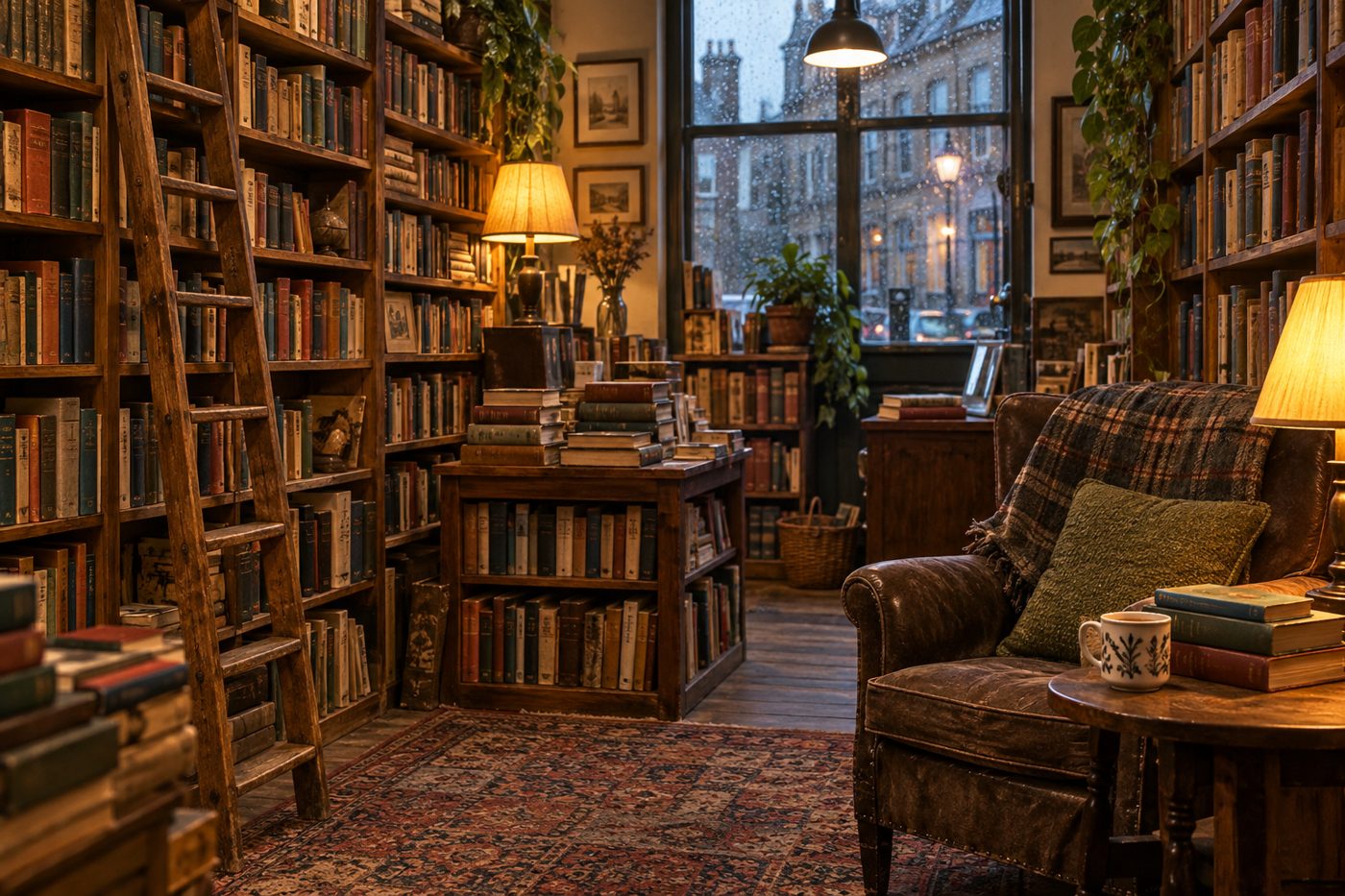
There's a particular smell to a good second-hand bookshop: old paper, a little dust and maybe a hint of the owner's tea. Step inside and time slows down. You came in for nothing in particular and somehow leave an hour later with three books, one of which you never knew existed.
The joy of not knowing what you'll find
Online shops are brilliant at selling you what you already want. Second-hand bookshops are brilliant at selling you what you didn't know you wanted. A forgotten novel, a tatty music biography, a 1970s guide to British birds with gorgeous illustrations: the best finds are the ones you'd never have searched for.
Books with a past
Half the fun is what's left inside. Inscriptions to long-lost birthdays, train tickets used as bookmarks, notes in the margins from a reader decades ago. A second-hand book has already lived a life before it reaches you.
Kinder on the wallet, and the planet
Paperbacks for a pound or two, hardbacks for a fiver. You can take a chance on an author without it costing much, and you're giving a book another life rather than buying new. It's one of the cheapest good habits going.
How to get the most from a visit
- Leave time. Rushing a second-hand bookshop never works.
- Go to the shelves you'd normally ignore. Poetry, local history and travel hide some real gems.
- Talk to the owner. They know their stock inside out and are usually delighted to help you hunt something down.
- Check the music section. Old gig guides, songbooks and band biographies turn up all the time.
- Bring a bag. You will buy more than you planned.
Use them or lose them
Independent bookshops, new and second-hand, are the beating heart of plenty of high streets. They survive because people walk through the door. So next time you're in a market town with half an hour to spare, follow the hand-painted sign and lose yourself for a while.